

Did you know a simple walk across your carpet can create up to 35,000 volts of static electricity? This invisible force is what makes your favorite sweater cling to you like glue.
This annoying phenomenon, called static cling, happens during laundry. As different fabrics rub together in the dryer, electrons move between them. This creates an imbalance of positive and negative charges.
Synthetic materials like polyester and nylon are the biggest culprits. They hold onto these electricity charges more than natural fibers. Your whole load can become a magnet for static.
The good news is you have control. A few smart tweaks to your laundry routine can make those clothes soft and manageable again. Let’s explore why this happens and the simple fixes you can use today.
Key Takeaways
- Static cling is caused by an imbalance of electrical charges between fabrics.
- The tumbling action of a dryer is a common source of this problem.
- Synthetic fabrics are more prone to holding static electricity than natural ones.
- This issue is a physical reaction, not a permanent flaw in your clothing.
- Simple adjustments during washing and drying can prevent most static.
- Understanding the cause is the first step to finding an effective solution.
Understanding Static Cling in Fabrics
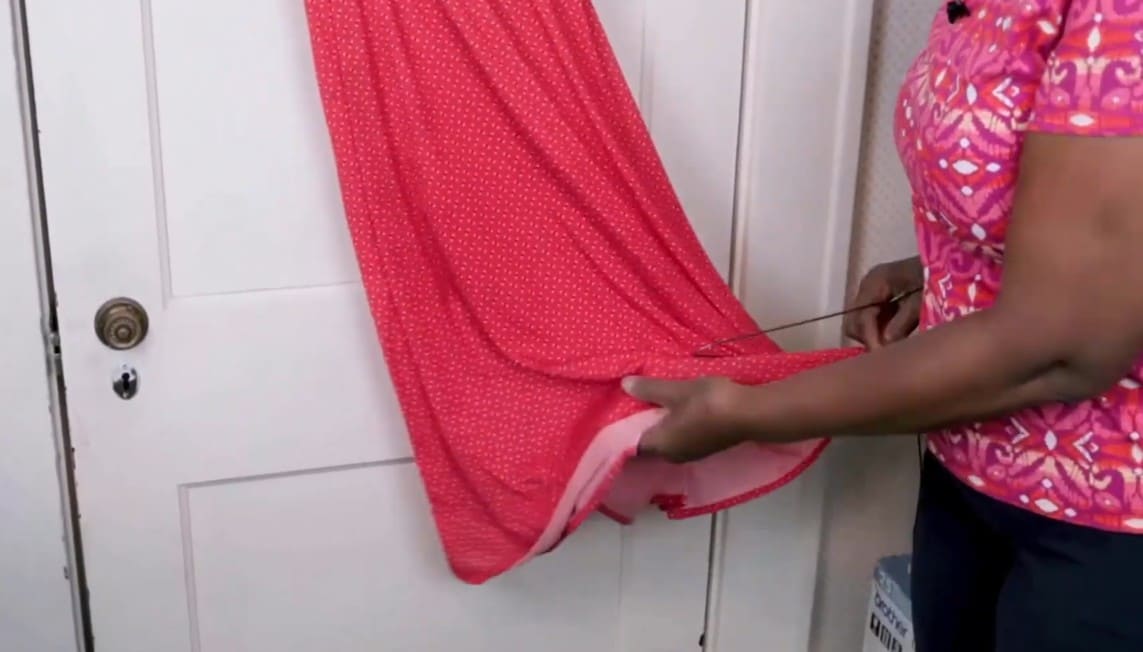
Ever wondered why your socks stick together after a spin in the dryer? This annoying issue is called static cling. It turns your fresh laundry into a tangled, sticky mess.
Knowing why it happens helps you stop it for good.
The Science Behind Static Electricity
Static electricity is a physical reaction. It occurs when electrons move between two materials.
This movement creates an imbalance of positive and negative charges. Your clothing holds these charges until they find a way to balance out.
“Static electricity is the result of an imbalance between negative and positive charges in an object.”
Different fabrics exchange electrons at different rates. This is why some materials cling more than others.
| Fabric Type | Static Propensity | Common Uses |
|---|---|---|
| Cotton | Low | T-shirts, towels |
| Polyester | High | Athletic wear, dresses |
| Wool | Medium | Sweaters, coats |
| Nylon | High | Jackets, stockings |
Common Causes in the Laundry Process
Friction is a primary factor. The tumbling action inside your dryer makes fabrics rub together.
This friction generates the energy needed to build up static. Synthetic fabrics like polyester and nylon are the biggest culprits.
Their fibers hold onto electrical charges much longer than natural ones. A lack of moisture during washing and drying also causes static.
Dry air lets charges build up easily. Understanding these causes helps you tackle the problem at its source.
Quick Fixes for Eliminating Static Cling
Dealing with static cling doesn’t require special products. Many effective fixes are already in your home.
This section covers common solutions and their downsides. You’ll also learn immediate tricks for relief.
Using Dryer Sheets and Their Drawbacks
Dryer sheets are a popular choice. They are coated with stearic acid that melts in the heat.
This coats your clothing to reduce friction. However, this coating has drawbacks.
It can build up on your dryer’s lint filter over time. This may affect appliance performance.
Avoid these sheets on wicking athletic wear. The coating can disable the fabric’s moisture-pulling ability.
Immediate Home Remedies and Tricks
Need to eliminate static right now? Try these simple methods.
Run a metal hanger over your garments. This safely discharges static electricity through the conductive material.
A light mist of water from a spray bottle works too. Moisturizing your skin before dressing also helps.
Shake the load as soon as the dryer stops. This action can break the electrical charges.
| Remedy | How It Works | Best For |
|---|---|---|
| Metal Hanger | Conducts and neutralizes electrical charges on contact. | Individual garments with immediate cling. |
| Water Mist | Adds moisture to the air and fabric, preventing charge buildup. | Lightweight synthetics like dresses or blouses. |
| Moisturized Skin | Creates a barrier that reduces charge transfer from body to clothes. | Preventing static when putting on items. |
| Shaking Clothes | Physically separates fabrics and disrupts the charge field. | An entire load fresh from the dryer. |
How to Get Static Out of Clothes: Step-by-Step Guide
Follow this straightforward guide to keep your garments static-free wash after wash. A consistent routine tackles the root causes.
Preparing Your Laundry Routine
Begin in the washing machine. Add a quality fabric conditioner, such as Lenor, to the cycle.
This product lubricates fibers, minimizing friction between materials. It makes your laundry feel softer too.
Sort your items before drying. Separate synthetic fabrics from natural ones like cotton.
This simple step prevents charge accumulation between different materials. It stops static cling before it starts.
Effective Techniques During Drying
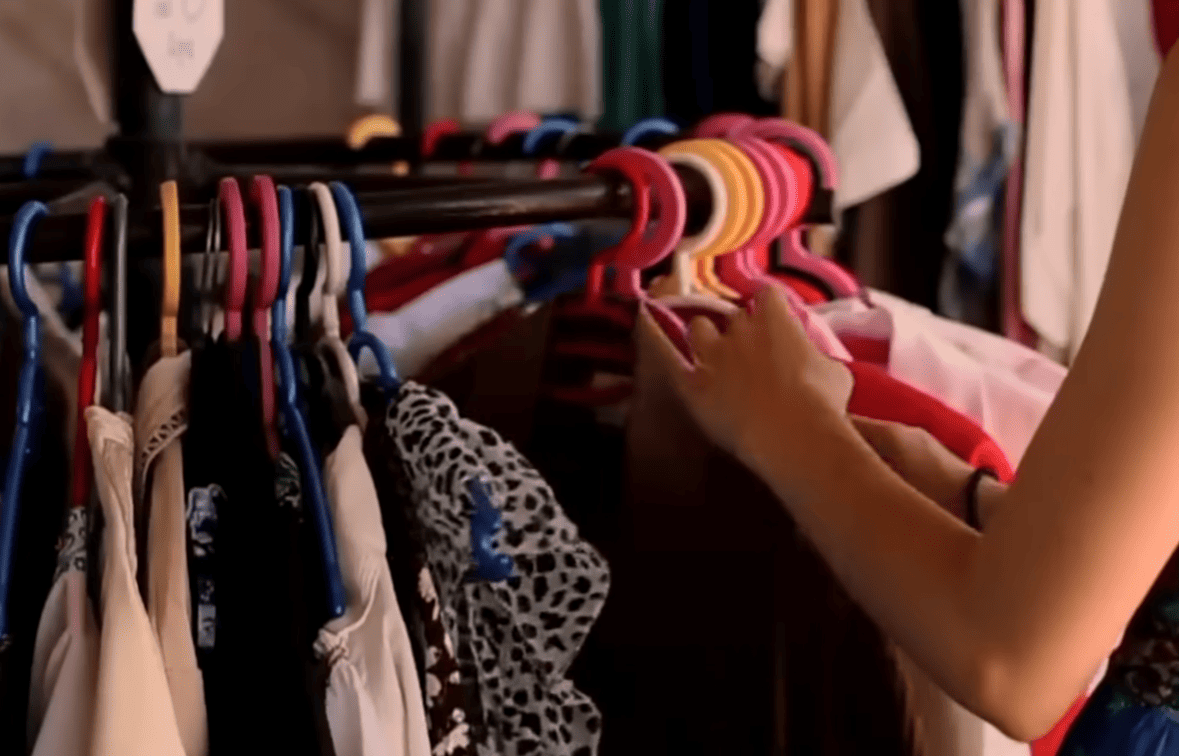
Consider air drying your clothing. Hang them on metal hangers immediately after washing.
The conductive material helps discharge any built-up electricity. It’s a reliable way to prevent static.
If using a clothes dryer, shorten the cycle time. Remove the load while it is still slightly damp.
This retained moisture hinders static formation. Your fabrics will feel more comfortable and less clingy.
| Step | Action | Primary Benefit |
|---|---|---|
| Wash | Use a fabric conditioner during the cycle. | Reduces fiber friction significantly. |
| Sort | Separate synthetic and natural fabrics. | Prevents transfer of electrical charges. |
| Air Dry | Hang garments on metal hangers. | Discharges static electricity safely. |
| Machine Dry | Reduce drying time to retain moisture. | Maintains a humidity balance in fabrics. |
Improving Laundry Routines to Prevent Static Build-Up
Transforming your wash day can eliminate the shock of static electricity. A few smart habits tackle the root causes of cling.
These proactive steps make your garments smooth and manageable every time.
Sorting Fabrics for Optimal Drying
Separate your laundry before it hits the dryer. Keep synthetic fabrics like polyester away from natural cotton items.
This simple sort drastically reduces friction between materials. It stops electrical charges from jumping between different fabric types.
Your whole load stays calm and static-free.
Adjusting Drying Time and Moisture Levels
Over-drying clothes is a top cause of static. Set your dryer to a shorter cycle.
Remove garments while they are still slightly damp. This retained moisture helps prevent static from forming.
If your laundry room air is very dry, consider using a humidifier. Balanced humidity is a powerful ally.
Boost your washing routine with a natural solution. Add half a cup of baking soda to the wash cycle.
It acts as a gentle fabric softener. This method helps prevent static build-up without harsh chemicals.
Your clothes will feel softer, and colors stay vibrant.
Eco-Friendly and Safe Alternatives for Reducing Static
Your kitchen pantry holds powerful secrets for banishing fabric cling. Moving beyond commercial products opens a world of safe, effective solutions.
These methods tackle the root causes without chemical coatings. They leave your laundry fresh and your conscience clear.
Natural Fabric Softeners and Vinegar Solutions
White vinegar is a superstar for neutralizing electrical charges. Create a simple spray by mixing it with water in a bottle.
Add a few drops of your favorite essential oil for a fresh scent. Lightly misting your garments before drying adds crucial moisture.
This action helps prevent static from forming in the first place. For the wash cycle, baking soda acts as a gentle fabric softener.
It reduces friction between fibers during the tumbling action. Your whole load feels softer and stays calm.
Innovative Tools like Dryer Balls and Metal Hangers
Wool dryer balls are a game-changer for your drying routine. They bounce around, separating items and allowing better air flow.
This reduces drying time and helps discharge static electricity naturally. For a quick DIY version, try a crumpled ball of aluminum foil.
Its conductive metal surface safely neutralizes charges as it tumbles. After drying, a simple metal hanger run over clothing provides instant relief.
It’s a reliable way to remove static before you even get dressed.
| Tool | How It Works | Key Benefit |
|---|---|---|
| Wool Dryer Balls | Separates fabrics and introduces gentle friction to disrupt charge buildup. | Reduces drying time and helps prevent static naturally. |
| Aluminum Foil Ball | Conducts and grounds electrical charges within the dryer drum. | An immediate, zero-cost way to discharge static electricity. |
| Vinegar & Water Spray | Adds moisture to the air and fabric surface, balancing humidity. | Creates an environment where static struggles to form. |
Conclusion
Soft, manageable clothing free from electrical shocks is within easy reach. Successfully managing static cling is about consistent habits. Adjust your laundry routine and choose smart drying techniques.
Incorporate simple solutions like baking soda or wool dryer balls. These effectively remove static from your favorite garments. A metal hanger provides instant relief for a clinging load.
Maintain proper humidity levels in your laundry area. Avoid over-drying clothes in the dryer. This keeps your laundry soft and free from annoying charges.
Small changes make a significant difference. Sorting fabrics and using natural alternatives improve clothing quality. You now have the knowledge to get rid of static for good.