

Did you know that over 60% of households admit to forgetting a load of laundry at least once a month? It’s a surprisingly common slip in our busy lives.
Carolyn Forté of Good Housekeeping confirms this is a frequent occurrence for many families. You start a cycle, get distracted, and suddenly hours have passed.
Leaving damp garments in the drum isn’t always a catastrophe. Acting quickly is the key to saving your favorite items from lasting damage.
Understanding the specific time limits for your appliance is essential. It protects fabric quality and prevents that dreaded musty smell from taking hold.
This guide explores expert-backed advice to keep your garments fresh. You’ll learn how to assess a forgotten load and simple steps to rescue it.
Key Takeaways
- Forgetting a load is very common and usually not a disaster if addressed promptly.
- Wet fabrics left too long can develop mildew odors and attract bacteria.
- The specific “safe” time depends on fabric type, machine model, and home humidity.
- Quick action, like moving items to the dryer or rewashing, can often save the load.
- Managing your laundry schedule effectively prevents most issues before they start.
- Knowing your washing machine’s features helps you make the best decision for your garments.
Understanding Washer Time Limits and Risks
Experts identify a clear timeframe before wet clothes face issues. This knowledge empowers you to protect your garments effectively.
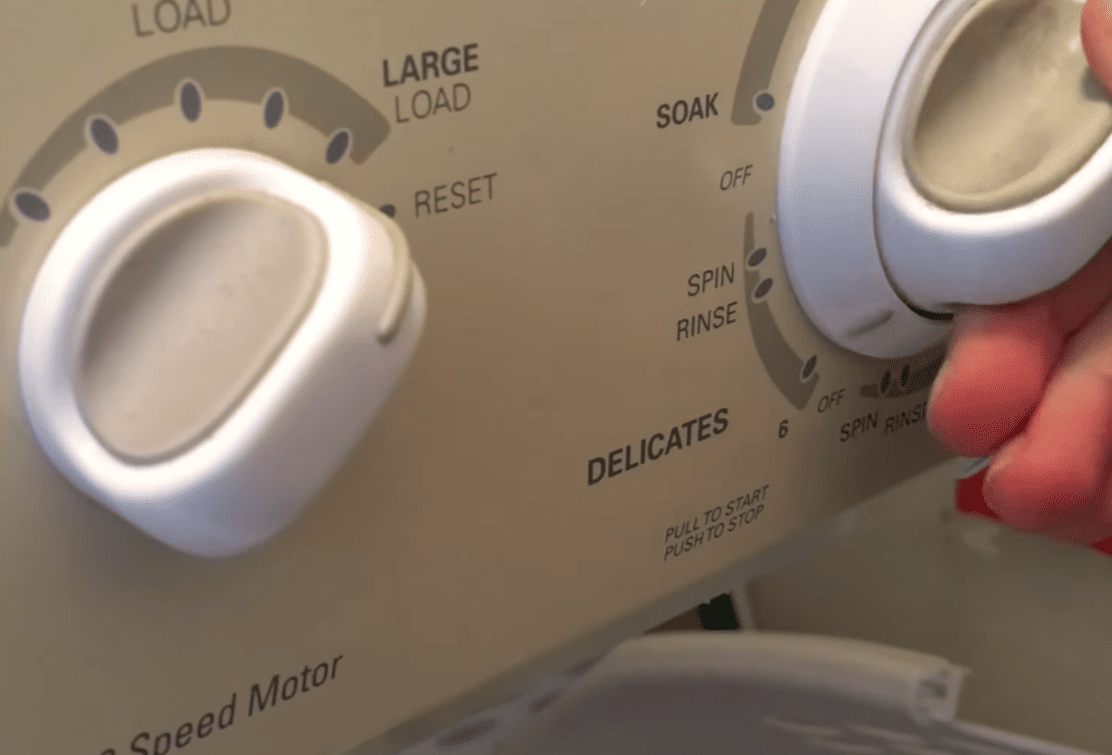
Acceptable Time Frames: 8-12 Hours
Carolyn Forté states that leaving a load overnight, or 8 to 10 hours, is usually acceptable for most standard laundry loads. Lucinda Ottusch from the Whirlpool Institute of Fabric Science confirms laundry can safely sit for up to 12 hours inside the appliance.
Laundry can safely sit for up to 12 hours inside the appliance.
You have some leeway if you forget a cycle. Pushing past this mark invites trouble.
Potential Issues: Mildew, Odor, and Bacteria
The humid environment within a washer breeds mold and mildew. Jill Bauer of JustJill highlights this risk.
Trapped moisture creates an ideal setting for bacteria. This leads to unpleasant odors on your items.
A musty smell signals mold and mildew presence. Running a quick wash cycle with detergent sanitizes garments.
Items on top may dry and become stiff if left too long. Move your wet laundry to the dryer promptly to avoid problems.
Factors That Affect Laundry Freshness
Material science reveals why cotton towels pose a bigger risk than silk blouses when left damp. The freshness of your garments after a cycle depends heavily on what they’re made of and how they handle water.
Two main elements decide if a musty smell will develop. These are fabric composition and how much moisture the material holds.
Fabric Types: Heavy Fabrics vs. Delicates
Research from the University of Nebraska-Lincoln shows natural fibers like cotton, linen, and rayon are highly absorbent. They soak up water quickly but dry very slowly.
This makes them prone to mold development. Heavy items like sweatshirts and coats trap more moisture.
Jill Bauer notes these fabrics create a perfect home for bacteria growth. Delicate materials like satin or lace are different.
They are often thinner and more breathable. This helps them resist the rapid development of mildew compared to heavier fabrics.
Absorption and Moisture Retention
The moisture retention of your laundry determines odor speed. Absorbent items can harbor more mildew than lighter synthetics.
If you leave wet laundry made of heavy materials, prioritize moving them to the dryer. This action prevents bacteria from multiplying.
Always consider fabric type when deciding if a load needs a rewash. Delicates washed in cold water are less likely to develop an unpleasant smell even if forgotten.
For any item sitting over 12 hours, inspect it closely. The key is understanding how your garments interact with water.
how long can clothes sit in washer: Expert Guidelines
Laundry experts have shared straightforward strategies to handle forgotten loads effectively. Their advice helps you decide the best course of action for damp garments.
Following these simple steps preserves fabric quality and freshness.
Insights from Washing Machine Experts
Carolyn Forté recommends a specific approach for mildew odor. Use a “Lightly Soiled” cycle with your regular detergent.
This shorter wash effectively removes the musty scent. Jill Bauer suggests a practical prevention method.
Set a loud timer on your cell phone when you start a load. This simple habit ensures you never forget your laundry again.
Jordan Page offers a clever visual reminder. Write the start time on the side of your appliance with a dry-erase marker.
| Expert | Recommendation | Primary Benefit |
|---|---|---|
| Carolyn Forté | Rewash with a “Lightly Soiled” cycle and detergent. | Eliminates mildew odor and ensures cleanliness. |
| Jill Bauer | Use a loud cell phone timer. | Prevents forgetting a load in the machine. |
| Jordan Page | Track time with a dry-erase marker on the washer. | Provides a clear visual reminder. |
When to Rewash for Optimal Results
If you are unsure about freshness, a quick rinse and spin can often refresh the load. This uses no extra detergent.
A strong, persistent odor signals a need for a full rewash. This is the only way to make sure your items are free of bacteria.
Water temperature is critical for cleaning. Hot water is best for killing any mold that may have started.
Always move your laundry to the dryer promptly. This prevents the need for a second wash cycle and saves energy.
Prevention and Maintenance Tips
A clean appliance is the foundation for fresh-smelling garments every time you do a load. Simple routines prevent musty odors and protect your items from damage.
Using Timers and Visual Reminders
Set a loud timer on your phone when starting a cycle. This ensures you never forget damp items inside the machine.
If you often leave wet laundry, try a visual cue. A note on the washer works well.
Regular Washing Machine Cleaning Practices
Jill Bauer recommends a monthly deep clean. Use a product like Affresh Washing Machine Cleaner to remove residue.
Laura Mountford advises keeping the door or lid open after every cycle. This allows moisture to evaporate.
For front-loading washers, keeping the door open is especially crucial to hinder mold growth.
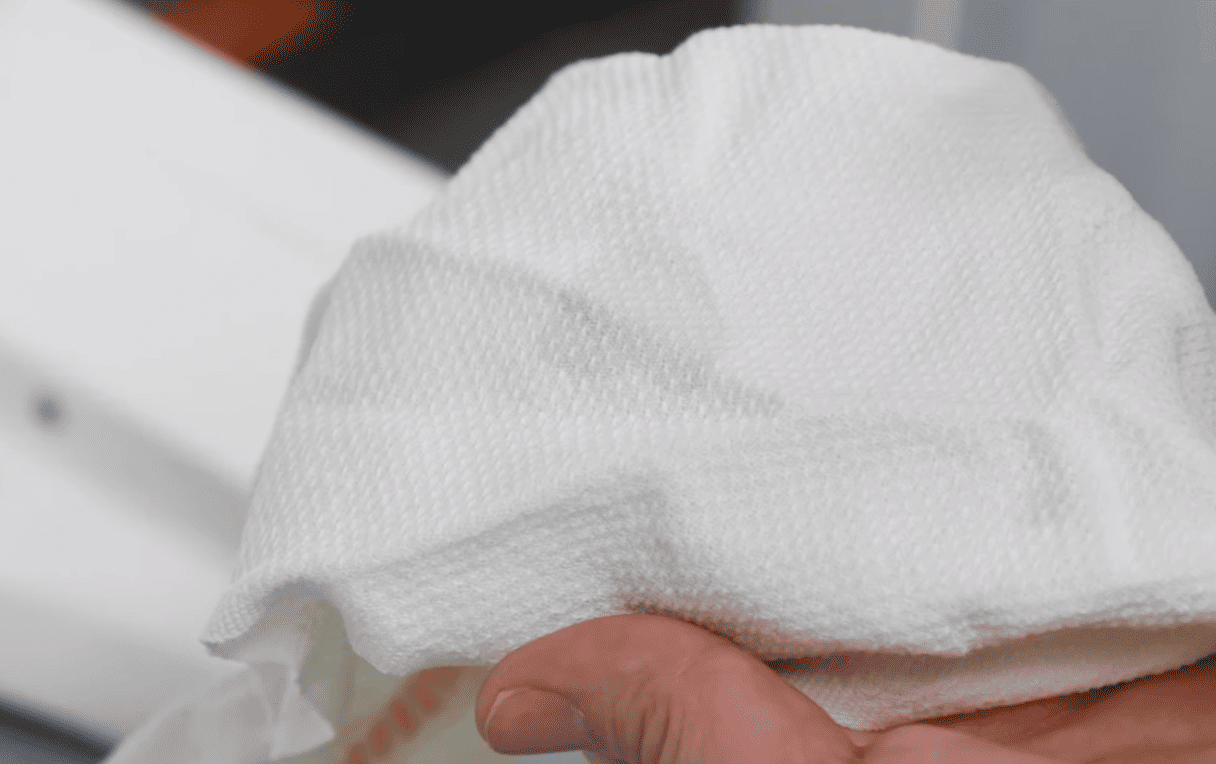
Wipe the rubber gaskets and detergent compartments weekly. A microfiber cloth removes trapped moisture and prevents mold.
These steps extend your appliance’s life. They also guarantee fresh results for each load.
Removing Mildew and Unpleasant Odors
You can tackle mildew and unpleasant smells with simple items already in your pantry. These natural solutions are powerful and safe for your garments and appliance.
Acting quickly restores freshness without resorting to harsh chemicals.
Natural Remedies: White Vinegar and Baking Soda
White vinegar is a fantastic disinfectant. Jill Bauer recommends adding one cup to the detergent dispenser.
The acetic acid in vinegar kills mold and mildew-causing bacteria on fabrics. For a musty machine, Laura Mountford suggests running a hot wash cycle with two cups of vinegar while empty.
Baking soda is another excellent option. David Cusick notes it neutralizes odor-causing chemicals during a cycle.
Sprinkle half a cup over damp laundry before a hot wash. It is safe for all machine types and leaves items smelling clean.
| Remedy | Primary Action | Best For | How to Use |
|---|---|---|---|
| White Vinegar | Disinfects & Kills Bacteria | Removing mold mildew; Cleaning the machine | 1 cup in dispenser for clothes; 2 cups for empty hot cycle |
| Baking Soda | Neutralizes Odors | Refreshing smelly laundry; Deodorizing fabrics | 1/2 to 1 cup sprinkled on wet load before a hot wash |
| Combination | Deep Clean & Refresh | Persistent musty smell on clothes and in washer | Use vinegar in dispenser and baking soda in drum together |
Step-by-Step Cleaning Procedures
First, always check garment care labels. Ensure the water temperature is suitable for the cycle you choose.
For persistent machine odors, clean the rubber door seal. Wiping it with a vinegar solution eliminates the source of the musty smell.
Using these natural remedies is an effective way to refresh your laundry. It avoids harsh chemicals and extra detergent.
Following these steps keeps your washing machine clean. Your clothes will remain free from the unpleasant odor of mold.

Conclusion
Your washing machine works best when supported by regular upkeep and timely attention. Combining the simple knowledge from this guide with consistent habits protects your garments and your appliance.
Sticking to the timeframe guidelines prevents musty odors from forming. Setting a timer when you start a cycle is the easiest way to avoid a forgotten load. Keeping the door ajar after washing allows the machine to dry completely.
For those occasional oversights, simple, natural cleaners like vinegar can refresh your laundry. Understanding how long can clothes sit in washer and acting quickly streamlines your routine. This proactive approach keeps every load smelling fresh and your clothes washer running smoothly for years.