
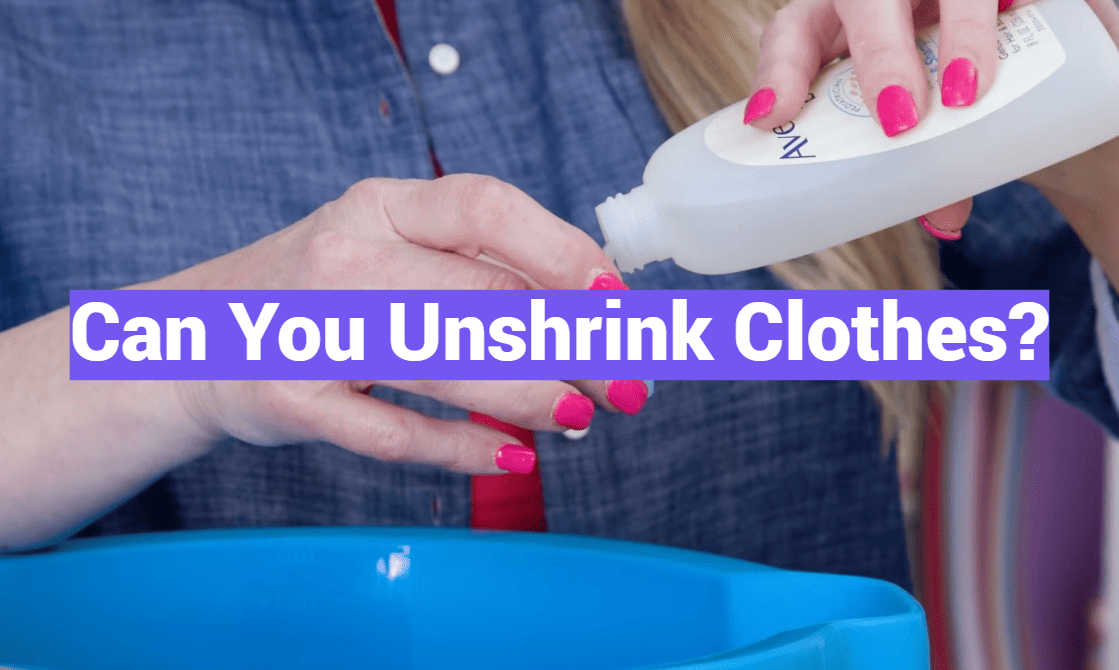
Over 40% of garment damage in homes results from laundry mishaps involving shrinkage. That favorite sweater or pair of jeans emerging from the dryer several sizes too small is a heartbreaking and common frustration.
This damage typically happens for two main reasons. High heat in the dryer and excessive agitation during the wash cycle are the primary culprits. These forces cause natural fibers to tighten and contract.
The good news is that all is not lost. Professional services like ZIPS emphasize that restoration is often possible. With the correct techniques, many items can be returned to a wearable state.
Understanding the science behind fabric contraction is the first step. This knowledge helps in both rescuing shrunken pieces and preventing future problems.
This guide provides actionable steps to tackle the issue. It explores methods to restore your wardrobe and offers tips for a smarter laundry routine.
Key Takeaways
- Garment restoration after a laundry accident is frequently achievable.
- High dryer temperatures and washer agitation are the main causes of fabric contraction.
- Immediate action can improve the chances of successfully rescuing a shrunken item.
- Professional cleaning services, like ZIPS, focus on garment longevity and care.
- Learning proper fabric care is essential for preventing future shrinkage.
- Different materials require specific treatment methods for the best results.
Understanding Why Clothes Shrink
Shrinkage transforms wardrobe staples into unwearable items, a process rooted in basic textile science. This common issue stems from how different materials react to laundry conditions.
The Science Behind Fabric Contraction
Natural fibers like cotton and linen are highly absorbent. They swell with water during washing and then contract under heat, leading to a smaller size.
Wool presents a unique case. Its tiny scaled fibers interlock when agitated in water, a process called felting. This creates a dense, stiff texture that feels permanently altered.
Understanding these material properties helps identify why favorite garments might undergo changes. Each fabric type responds differently to laundry stresses.
Common Causes in the Laundry Process
High temperatures in the dryer are a primary culprit. Heat causes textile fibers to tighten permanently, creating that familiar clothes shrink scenario.
Excessive agitation in the washing machine also contributes. The mechanical action can mat materials together, especially in delicate fabrics.
Synthetics like polyester resist shrinking better but can lose shape under extreme heat. Their elasticity may suffer, preventing return to original form.
Preventing Shrinkage in Your Laundry Routine
Building a shrinkage-resistant laundry system focuses on gentle cleaning and mindful drying. This proactive approach is the best defense against clothes shrink issues, keeping your favorite pieces in perfect shape.
Effective Washing Techniques
Smart washing starts before the machine even runs. Always separate loads by fabric type, as consistent care for each material is crucial.
Using cold water is a highly effective technique. Heat tightens natural fibers, so cooler temperatures preserve their size. Products like HeySunday laundry sheets are engineered to dissolve fully in cold water, offering a gentle clean.
Finally, make a habit of checking every care label. This simple step provides the specific instructions needed to keep garments safe.
Safe Drying Methods
The dryer is often the main culprit. To avoid heat and tumbling damage, skip the machine whenever you can.
Instead, opt for air-drying. Hanging garments or laying them flat keeps them stable. This method is the safest for long-term garment life and perfect shape.
Can you unshrink clothes? Exploring the Possibilities
A shrunken garment in the laundry basket doesn’t have to signal the end of its wearable life. Restoration is frequently achievable with a bit of patience and common household items.
Simple solutions like lukewarm water mixed with hair conditioner form the basis of many successful fixes. These ingredients help relax tightened fibers.
Several proven methods exist to salvage items that have lost their shape. The best approach depends entirely on the specific material of the damaged piece of clothes.
Even a significantly smaller garment often has fibers that can be gently coaxed back. Careful stretching after a proper soak makes a remarkable difference.
Remain optimistic. Many common laundry mishaps are not permanent. They can be reversed with these accessible DIY techniques.
| Restoration Method | Best For Fabric Types | Key Principle |
|---|---|---|
| Conditioner & Water Soak | Cotton, Wool, Cashmere | Lubricates fibers to allow gentle stretching |
| Steam Treatment | Silk, Delicate Synthetics | Uses moisture and heat to relax fabric memory |
| Baby Shampoo Solution | Blends, Knitted Materials | Softens fibers without harsh chemicals |
| Manual Blocking & Drying | All Natural Fibers | Reshapes the item to its original dimensions while damp |
Exploring these options provides a clear path forward. With the right supplies and a gentle touch, that favorite piece can often be returned to your wardrobe.
Preparing Your Shrunken Garments for Restoration
A successful restoration effort hinges on two key preparatory steps: gathering supplies and understanding the material. Proper setup saves time and leads to better results for your favorite pieces.
Rushing into a fix often causes more problems. Taking a few minutes to prepare creates a solid foundation for the entire process.
Gathering the Right Supplies
Having everything ready before starting is essential. This prevents frantic searches with wet hands.
You will need a clean sink or basin, lukewarm water, and a gentle hair conditioner or baby shampoo. Also prepare clean towels and a flat place for drying.
These simple instructions ensure a smooth workflow. Proper care begins with organization.
Assessing Fabric Type and Tolerance
First, identify the fabric of the damaged garment. A cotton tee tolerates different treatment than a delicate wool sweater.
This assessment determines if the material can handle soaking and gentle stretching. Always test your solution on a hidden seam first.
This critical step checks for color bleeding or damage. Understanding the tolerance of the fibers guides how much tension to apply later.
Following these preparation tips sets the stage for a successful rescue. A little planning protects your wardrobe investment.
Step-by-Step Guide to Unshrinking Clothes
Follow this clear, methodical process to breathe new life into a tightened garment. Simple household items and a bit of patience are your main tools.
Using Lukewarm Water and Gentle Detergents
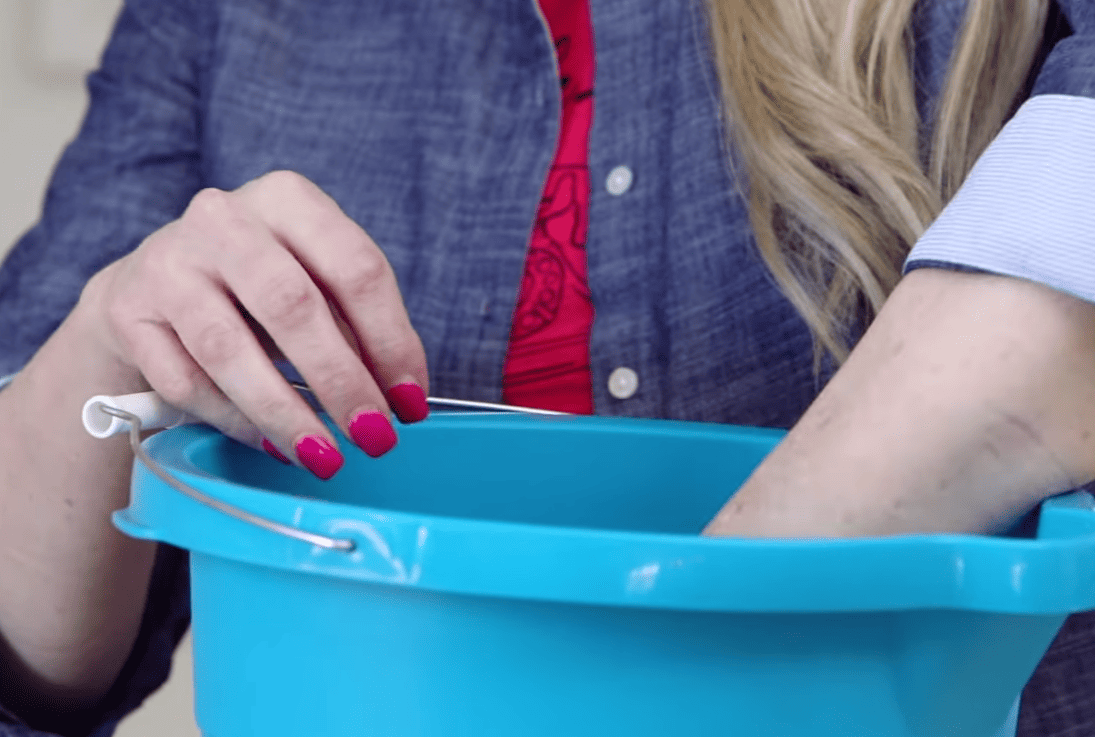
Begin by filling a clean sink with lukewarm water. Add a capful of mild baby shampoo to the basin. This gentle formula helps relax the fibers without harsh chemicals.
The shampoo acts as a lubricant for the material. It prepares the clothing for the reshaping steps ahead.
The Soaking and Drip-Drying Process
Submerge the shrunken clothes completely. Allow them to soak for 25 to 30 minutes. This time lets the solution penetrate deeply.
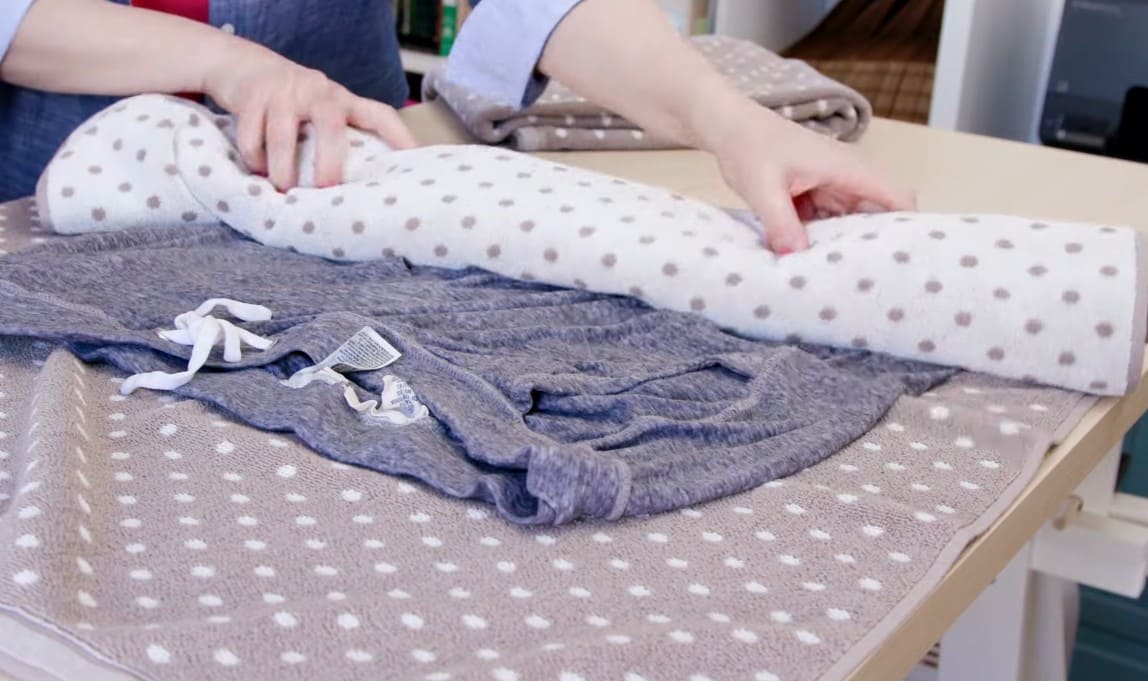
After soaking, lift the garment carefully. Lay it flat on a clean towel to blot away excess water. Avoid wringing or twisting the fabric.
Careful Stretching Techniques
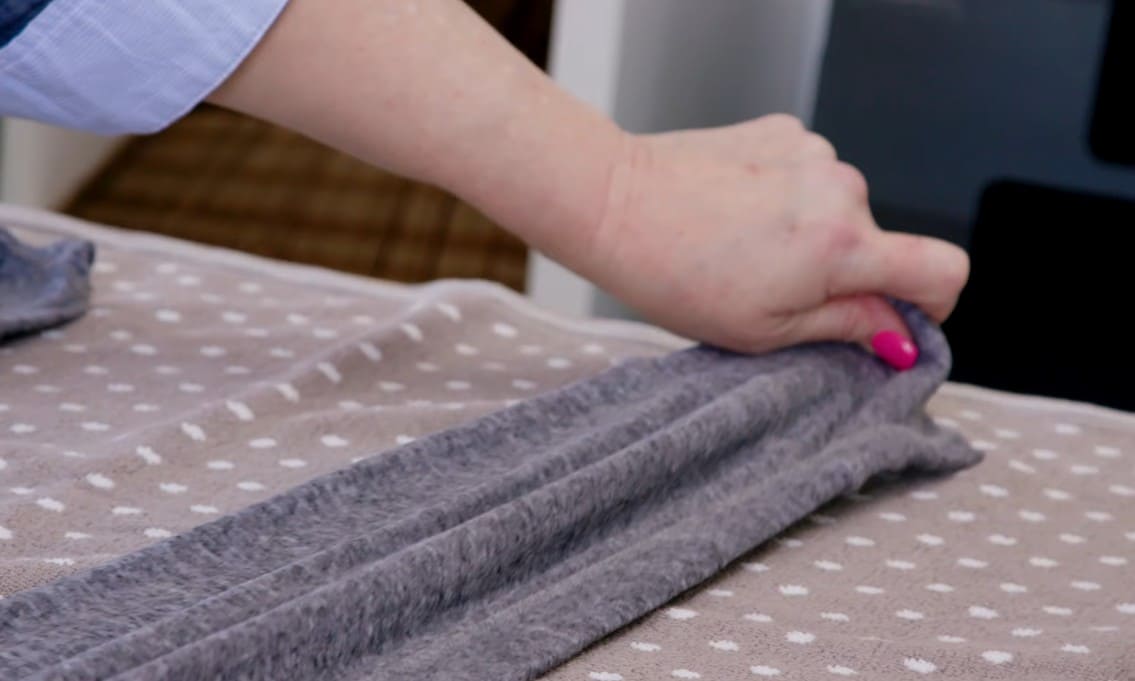
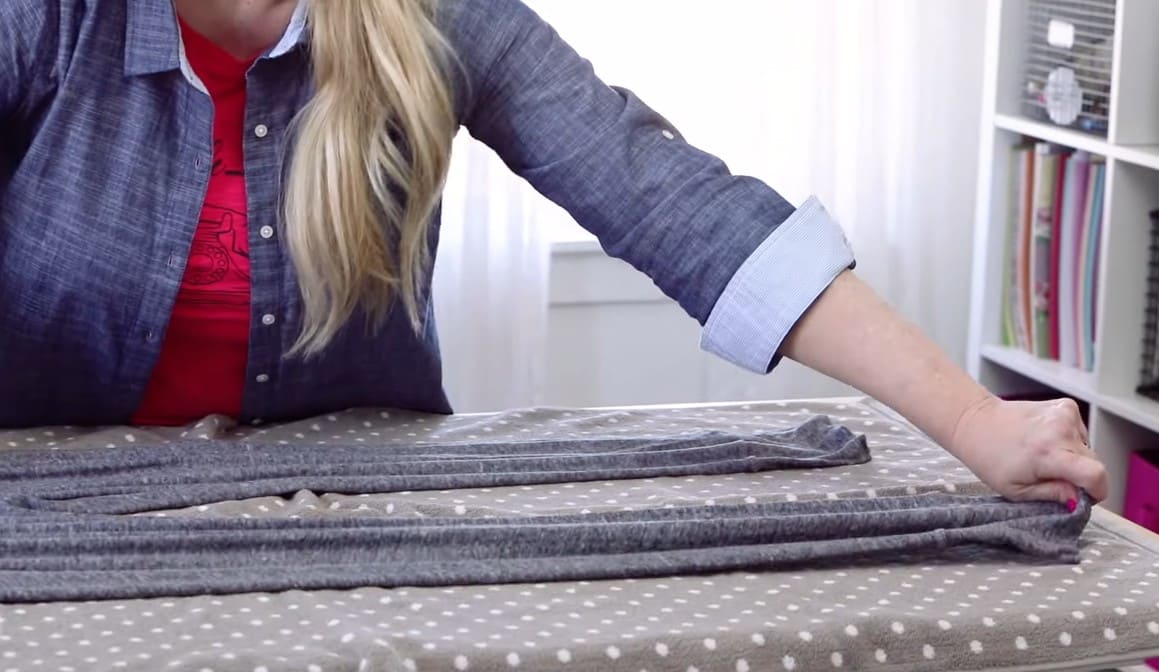
Move the item to a dry towel on a flat place. Now, gently stretch the fabric section by section. Focus on areas like sleeves and shoulders.
Follow these instructions to pull the material toward its original size. Hold each stretch for a few seconds. This helps the fibers retain the new shape.
Once satisfied with the original shape, let the piece air dry completely. Proper care during this final step locks in the restoration.
Special Methods for Different Fabric Types
Tailoring your approach to the material is the key to reversing shrinkage effectively. A one-size-fits-all solution simply doesn’t work for diverse textiles.
Restoring Wool, Cashmere, and Delicate Fabrics
For wool items, a lukewarm water bath with gentle baby shampoo helps relax the fibers. Cashmere often responds better to careful steaming.
After any treatment, press excess water out with a dry towel. Use rust-resistant pins to secure the garment to a flat surface. This holds the desired shape during air drying.
Fixing Cotton, Synthetics, and Blended Materials
Cotton benefits from a hair conditioner soak to restore flexibility. For synthetic fabrics, mix one part white vinegar with three parts lukewarm water.
This solution, sometimes combined with conditioner, effectively relaxes the material. Always follow with gentle stretching to guide pieces back to their original shape.
| Fabric Type | Recommended Solution | Key Tool | Drying Tip |
|---|---|---|---|
| Wool | Baby Shampoo & Lukewarm Water | Dry Towel | Pin to Shape on Flat Surface |
| Cashmere | Steam Treatment | Garment Steamer | Lay Flat, Reshape by Hand |
| Cotton | Hair Conditioner Soak | Clean Sink/Basin | Air Dry, Stretch Gently While Damp |
| Synthetics/Blends | Vinegar & Conditioner Mix | Rust-Resistant Pins | Allow Air Dry in Pinned Position |
Additional Tips for Long-Term Garment Care
Think of garment care as an investment, where small daily choices protect your favorite pieces for years. Moving beyond simple fixes, a proactive approach ensures your entire wardrobe stays in great condition.
Maintenance and Preventative Measures
Consistent habits make a huge difference. Always opt for cold water cycles to safeguard fabric integrity. Products like HeySunday laundry sheets are designed to reduce stress on materials, offering a gentle clean for all clothing.
Avoid the dryer whenever possible. Heat and tumbling are common causes of damage. Instead, choose a flat, clean place for air drying to help items maintain their original shape.
Checking care labels is a non-negotiable step. This simple action prevents future laundry mishaps. Pay special attention to cotton and wool pieces, keeping them away from high heat to preserve their size.
Mastering techniques to unshrink clothes is valuable, but preventing the problem is even better. Proper maintenance saves time and effort, extending the life of every garment in your collection.
Conclusion
Laundry day surprises don’t have to mean goodbye to your favorite wardrobe pieces. Restoring these items is a rewarding process that often saves them from disposal.
Understanding fiber science and applying gentle techniques makes successful restoration possible. Many garments return to their original fit with patience and care.
Remember, prevention remains the best strategy. Prioritize cold water washes and air drying to keep all your clothes in top condition.
If a piece isn’t fully restored, consider repurposing the fabric. This creative approach avoids waste and extends material life.
With this mindful approach, a beautiful, lasting wardrobe is easily maintained. Even after a laundry mishap, your favorite items can continue to serve you well.